Movement: One of the Most Powerful Investments in Your Health
In the world of health and wellness, there is never a shortage of new trends. One year it is a specific diet. The next year it is supplements, fasting strategies, cold plunges, or the latest “miracle” fitness program. While some of these ideas may offer benefits, one principle has remained remarkably consistent through decades of medical research:
People who move regularly tend to live longer, healthier, and more independent lives.
For retirees, this is especially important. The goal is not simply to add years to life, but life to those years. Physical movement plays a major role in maintaining energy, mobility, mental sharpness, balance, and overall quality of life.
The encouraging news is that you do not need to become a marathon runner or spend hours in a gym to benefit. Consistent movement — even in modest amounts — can have a profound impact on long-term health.
Movement Is Medicine
Doctors and researchers continue to find that regular physical activity helps reduce the risk of many of the conditions that commonly affect older adults, including:
Heart disease
High blood pressure
Type 2 diabetes
Osteoporosis
Arthritis stiffness and joint pain
Depression and anxiety
Cognitive decline and dementia
Movement also improves circulation, strengthens muscles and bones, supports better sleep, and helps maintain balance and coordination — all critical factors in preserving independence as we age.
Many people assume aging naturally means slowing down physically. While some slowing is inevitable, inactivity often creates far more limitations than aging itself. In many cases, the body responds positively to movement at almost any age.
Small Actions Create Big Benefits
One of the biggest misconceptions about exercise is that it must be intense to matter. In reality, consistency is far more important than intensity.
Simple activities can produce meaningful benefits:
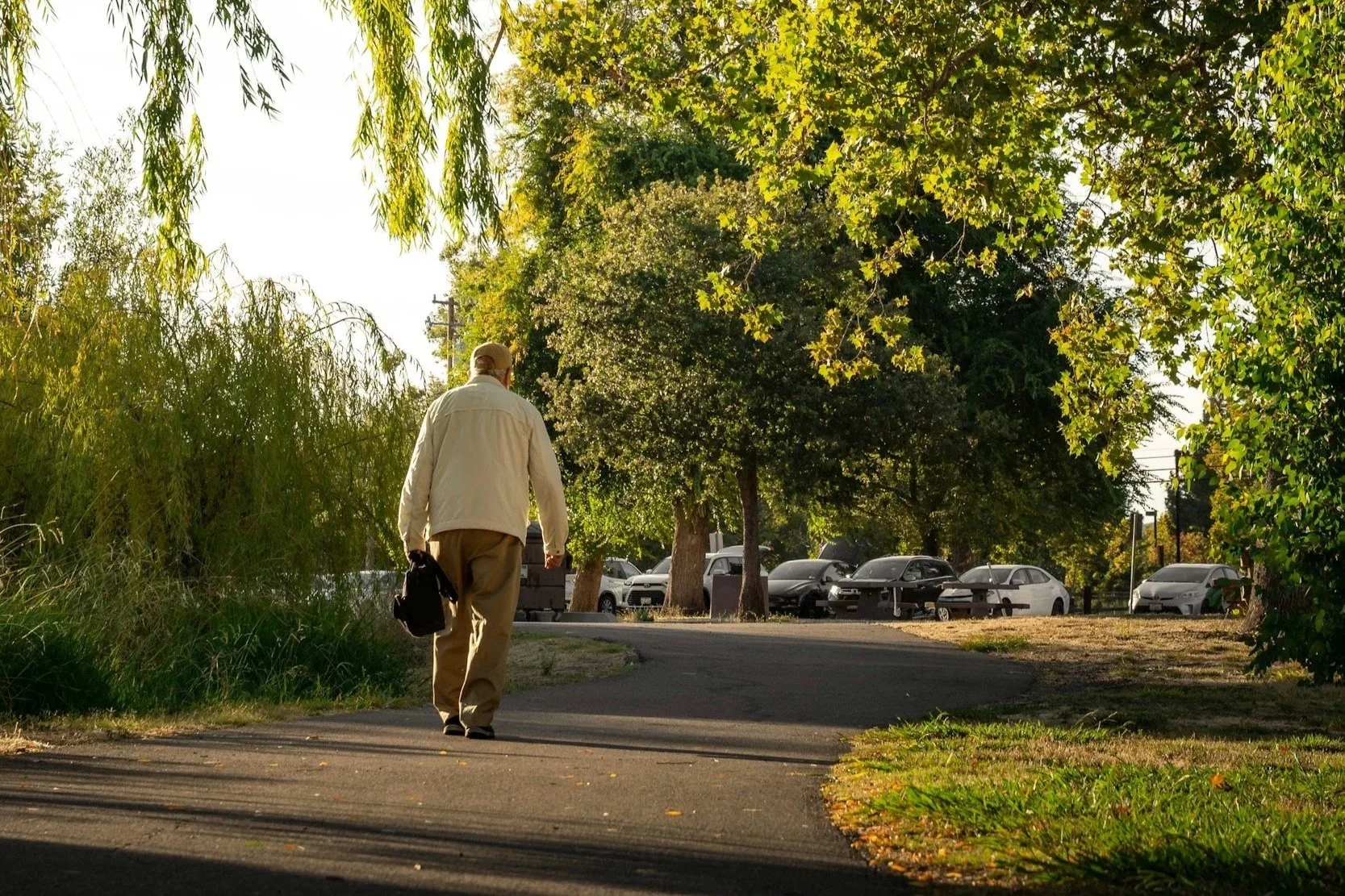
Walking daily
Gardening
Stretching
Light strength training
Swimming
Golf
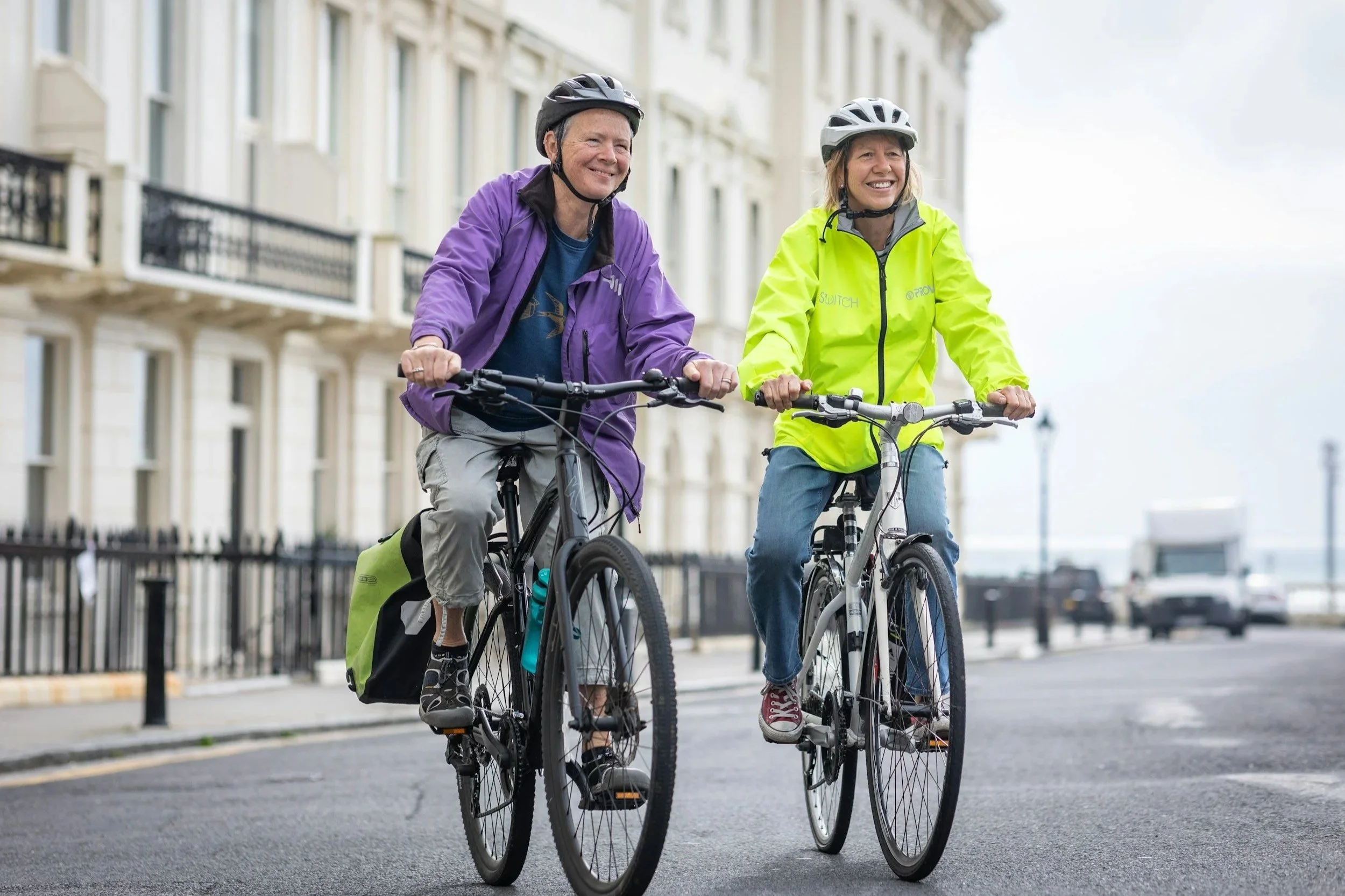
Cycling
Yoga or tai chi
Household chores
Playing with grandchildren
Even standing up and moving throughout the day can help counteract the negative effects of prolonged sitting.
Research consistently shows that sedentary behavior itself carries health risks, even for people who otherwise consider themselves relatively healthy. The body was designed to move, and regular movement keeps important systems functioning properly.
The Connection Between Physical and Financial Independence
As financial planners, we often talk with clients about preserving financial independence throughout retirement. But physical independence matters just as much.
Maintaining strength, flexibility, and balance can help people remain in their homes longer, continue traveling, enjoy hobbies, and participate more fully in family activities. Good mobility can also reduce the likelihood of falls and injuries, which are among the leading causes of loss of independence for older adults.
In many ways, physical health and financial health are closely connected. Medical expenses, long-term care needs, and lifestyle limitations often increase when health declines. While no one can eliminate all health risks, taking care of the body is one of the most practical investments a person can make.
Movement Benefits the Mind Too
Physical activity is not only good for the body — it also benefits the brain.
Many retirees notice that regular movement improves mood, reduces stress, and increases mental clarity. Exercise stimulates blood flow to the brain and helps support cognitive function. Studies have also linked physical activity to lower rates of memory decline and dementia.
Additionally, movement often creates social opportunities. Walking groups, fitness classes, pickleball, golf, and community activities can help combat isolation and strengthen personal connections, which are also important contributors to longevity and emotional well-being.
It Is Never Too Late to Start
One of the most encouraging findings in modern health research is that people can benefit from increased movement even later in life. You do not need a lifetime of athletic experience to improve your health.
Starting small is perfectly acceptable. A short daily walk may eventually become a longer one. Light stretching can improve flexibility over time. Gentle strength exercises can help maintain muscle and stability.
The key is creating a sustainable routine that fits your lifestyle and physical abilities. Before beginning any new exercise program, it is always wise to consult with your physician, especially if there are existing health concerns.
Focus on Consistency, Not Perfection
Just as successful investing often depends more on discipline and consistency than perfection, the same is true with health.
You do not need the perfect diet, expensive equipment, or the newest wellness trend to improve your quality of life. While healthy eating certainly matters, movement remains one of the most reliable and proven ways to support longevity and overall well-being.
A simple walk, taken consistently over time, may ultimately do more for long-term health than the latest health fad.
The body was built to move — and continuing to move may be one of the greatest gifts we can give ourselves in retirement.